Oxeplay - Classic Kayaking
Gamified Fitness Experience
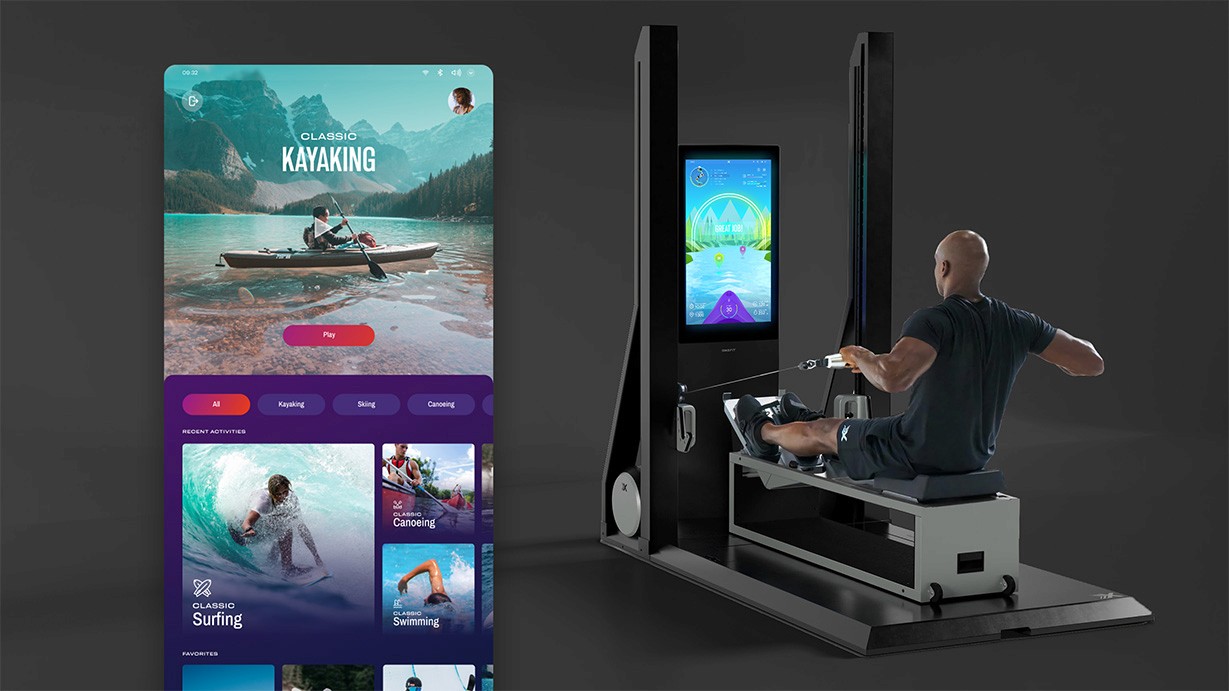
Transformed repetitive home workouts into a game-driven fitness experience that increases engagement and retention.
35%
37%
42%
Overview
As connected fitness grows, many home workouts still rely on repetitive routines and passive content, making it difficult for users to stay motivated. While hardware has advanced, the experience often lacks interactivity and progression.
OxeFit explored how gameplay could be integrated into fitness to create a more engaging workout experience.
My role
Project type
Interactive game
Personality
Playful, Energetic, Dynamic, Sporty, Modern
Creative Director
Karim Youssef
Lead Developer
Chris Crowell
What i did
Problem
Home workouts often feel repetitive and isolating, leading to low motivation and inconsistent usage. Existing solutions focus heavily on metrics or instructor-led content, but lack the interactivity and personalization needed to keep users engaged over time.
Objective
Design an interactive fitness experience that makes workouts more engaging, supports different motivation styles, and encourages users to return consistently.
Target audience
Primary Users: Users seeking a more engaging, game-like alternative to traditional workouts
Secondary Users: Performance-driven users motivated by competition, stats, and progression
Empathize
Understanding User Needs
Research methodologies
Conducted landscape analysis of gamified and connected fitness platforms
Interviewed 3 OxeFit users over video call with varying workout habits and motivation styles
Landscape Analysis
While no single product combines hardware-integrated gameplay, real-time resistance, and social fitness into one experience, we reviewed adjacent platforms to understand how similar problems are approached.
What We Reviewed
Zwift — virtual environments, leaderboards, and competitive training
FitXR — multiplayer workouts with gamified interactions
Peloton — content-driven engagement and strong community features
User Interview
To complement our market understanding, we conducted 1:1 video interviews with 3 users to explore how different motivation styles influence engagement, consistency, and enjoyment in home workouts.
User interview goals
Understand what drives users to start and maintain a workout routine
Identify moments where users lose motivation or disengage
Learn how users prefer to receive feedback during workouts
Explore expectations around progression, challenge, and rewards
Evaluate interest in social features and competition
User stories
We synthesized interview findings into user stories to capture the most important user needs and behaviors.
As a user, I get bored doing the same workout
As a user, workouts feel repetitive and not engaging
As a user, I don’t have a clear sense of progress
As a user, I don’t feel invested in my workout experience
As a user, working out alone feels isolating and less motivating
Define
Aligning Insights for Direction
Key insights from research
We synthesized research findings into key patterns that directly informed product direction. These insights were derived directly from recurring patterns in user stories and interviews.
Variety is essential to prevent fatigue and sustain engagement
Customization builds emotional investment in the experience
Gamification increases motivation by making workouts more enjoyable
Visible progress reinforces consistency and encourages return usage
Social features reduce isolation and create accountability
Competition is most effective when tied to real performance
Personas
To ground these insights in real user behavior, I developed personas that represent key motivation styles and engagement patterns. These personas highlighted the need to balance engagement-driven experiences with performance-driven features.


Ideate
Planning the Right Solution
Checking project goals
Before moving into solutions, we aligned what users need from a workout experience with what OxeFit aims to achieve as a product. This ensured that every feature supports both user motivation and long-term product value.

UX strategy
Based on these goals, we defined UX strategies to address both engagement and performance-driven needs.
Design simple, intuitive onboarding to build confidence early
Introduce variety and progression to prevent fatigue
Make gameplay directly reflect physical effort
Surface stats and achievements to reinforce progress
Enable social features to reduce isolation
Keep competition optional and user-driven
Scale difficulty as users improve
Translating needs into features
With the UX strategy defined, we translated key user needs into core features. Each feature is designed to support a specific user need or motivation.
Design
Visualizing the Experience
User Flow
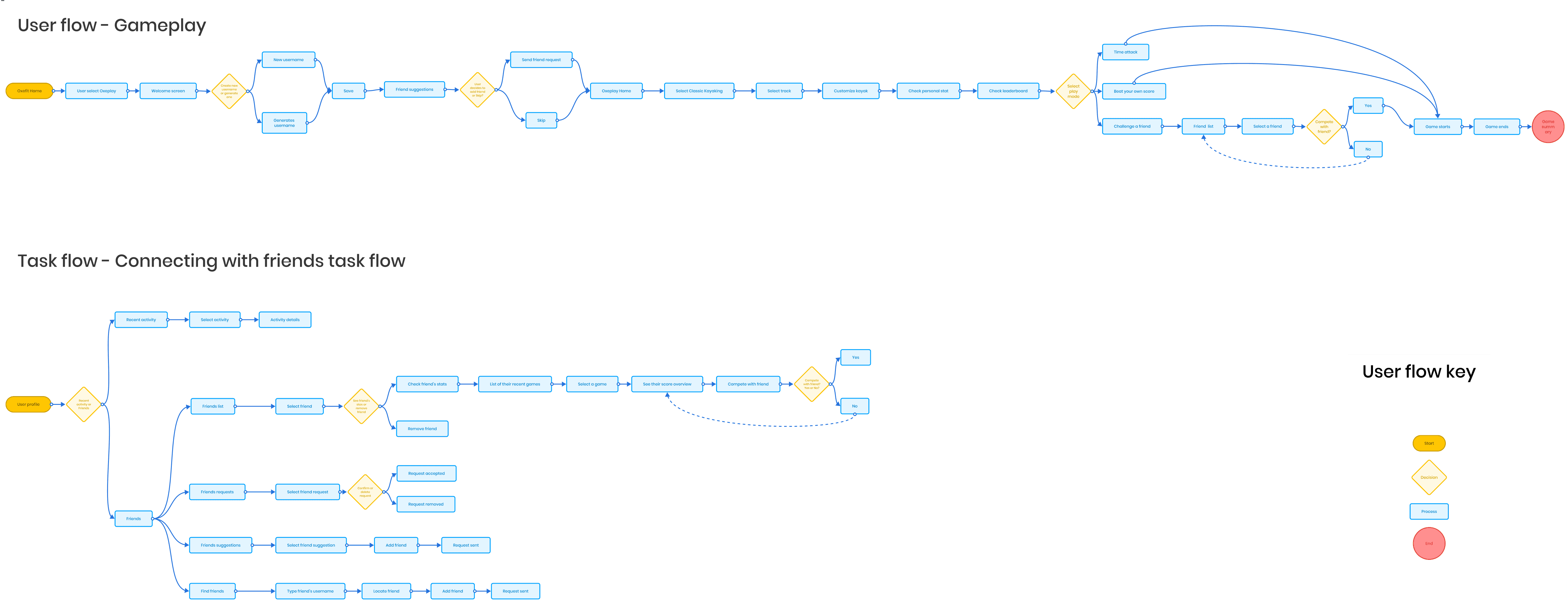
With the strategy and features defined, I mapped the end-to-end user flow to understand how users move through the experience from launching a session to reviewing their performance.
IA and lo-fi wireframe
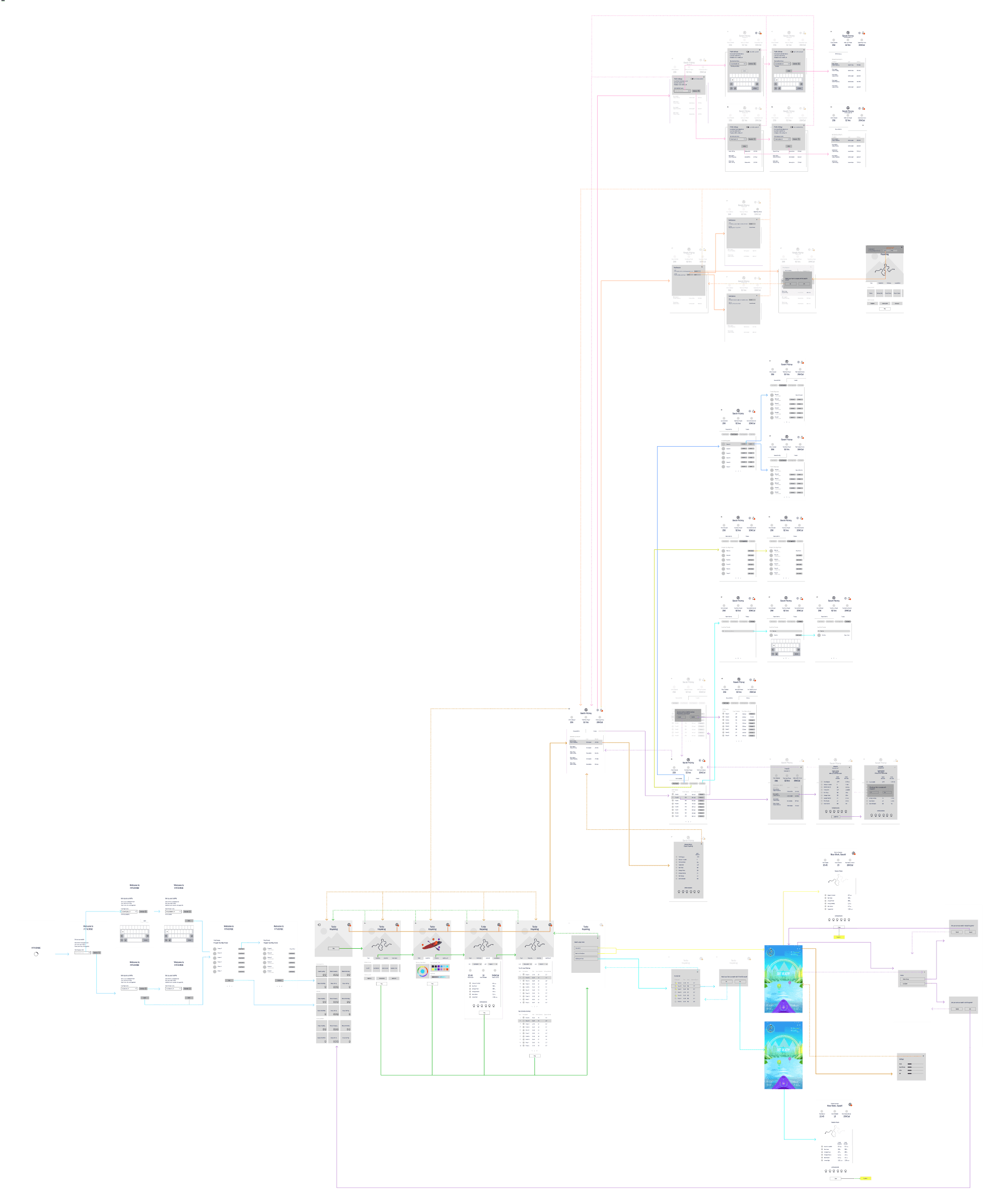
With structure in place, I translated the experience into low-fidelity wireframes to validate layout, hierarchy, and interaction patterns before visual design.
Low-fidelity Prototype
I created a low-fidelity prototype to validate user flow and core interactions before development in Unity. This helped identify usability issues early and refine the experience before implementation.
Design System
To ensure consistency and scalability, I created a design system aligned with OxeFit’s sporty, modern brand—optimized for clarity and usability during motion-heavy workouts.
Typography
Resolve Sans
Bold Cn
120px
/
120%
Archivo Narrow
Medium
60px
/
120%
Archivo Narrow
Medium
44px
/
120%
Title 2
Archivo Narrow
Medium
38px
/
120%
Title 3
Resolve Sans
Regular Wd
32px
/
120%
Header 1
Resolve Sans
Regular Wd
24px
/
120%
Header 2
Resolve Sans
Regular Wd
16px
/
120%
Header 3
Resolve Sans
Regular Wd
14px
/
120%
Header 4
Archivo Narrow
Medium
24px
/
120%
Button
Archivo Narrow
Medium
20px
/
120%
Body
Colors
HEX Value
HEX Value
HEX Value
HEX Value
HEX Value
HEX Value
HEX Value
HEX Value
HEX Value
HEX Value
HEX Value
HEX Value
HEX Value
HEX Value
HEX Value
Icons
Achievement badges


















Component library
Final Design
01. Home Screen
To reduce friction and improve access, the Oxeplay home screen acts as a central hub for all interactive fitness games. Users can quickly access recent activity, favorite titles, and friends’ gameplay highlights. Game filters make it easy to explore by type or workout focus.
02. Multiple Tracks
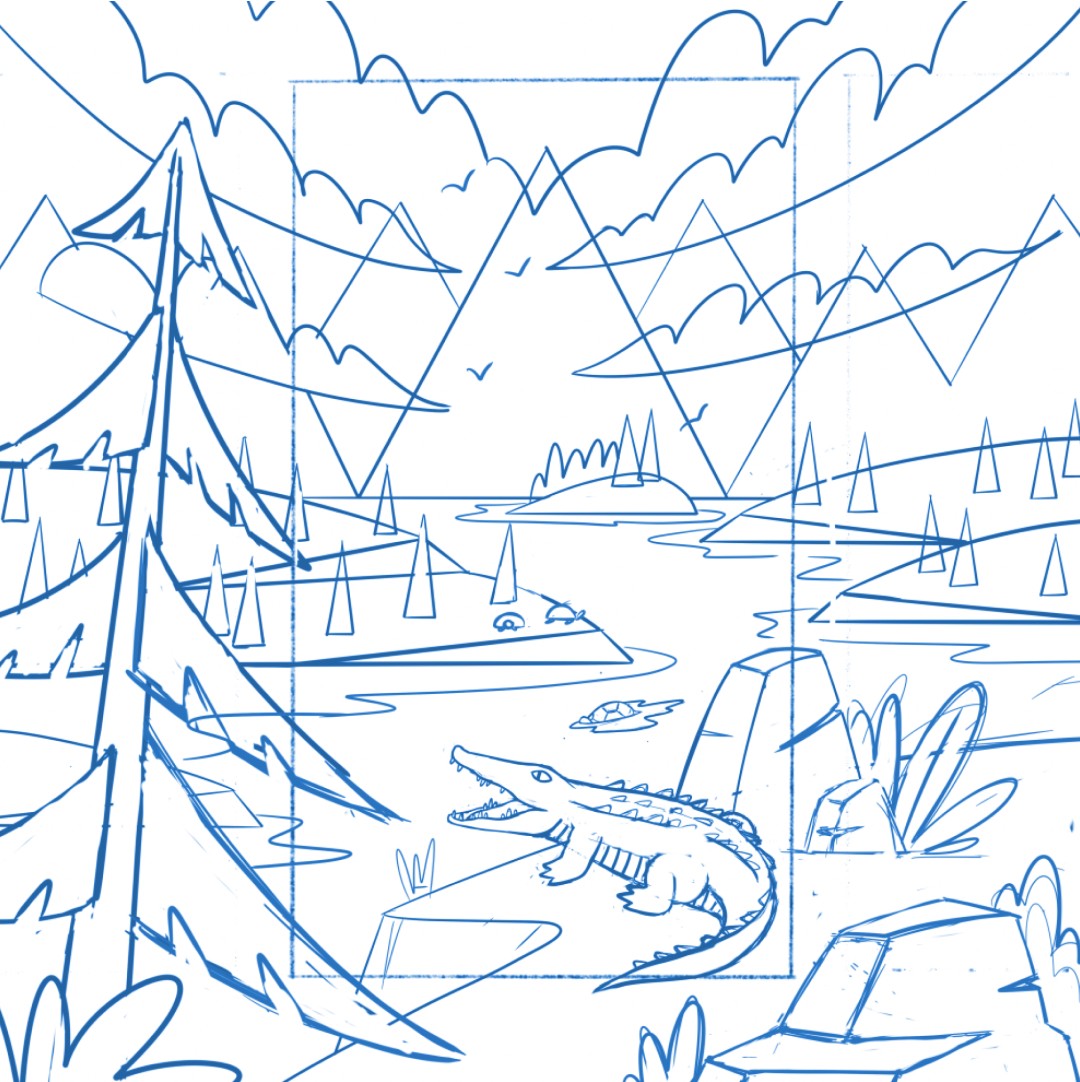
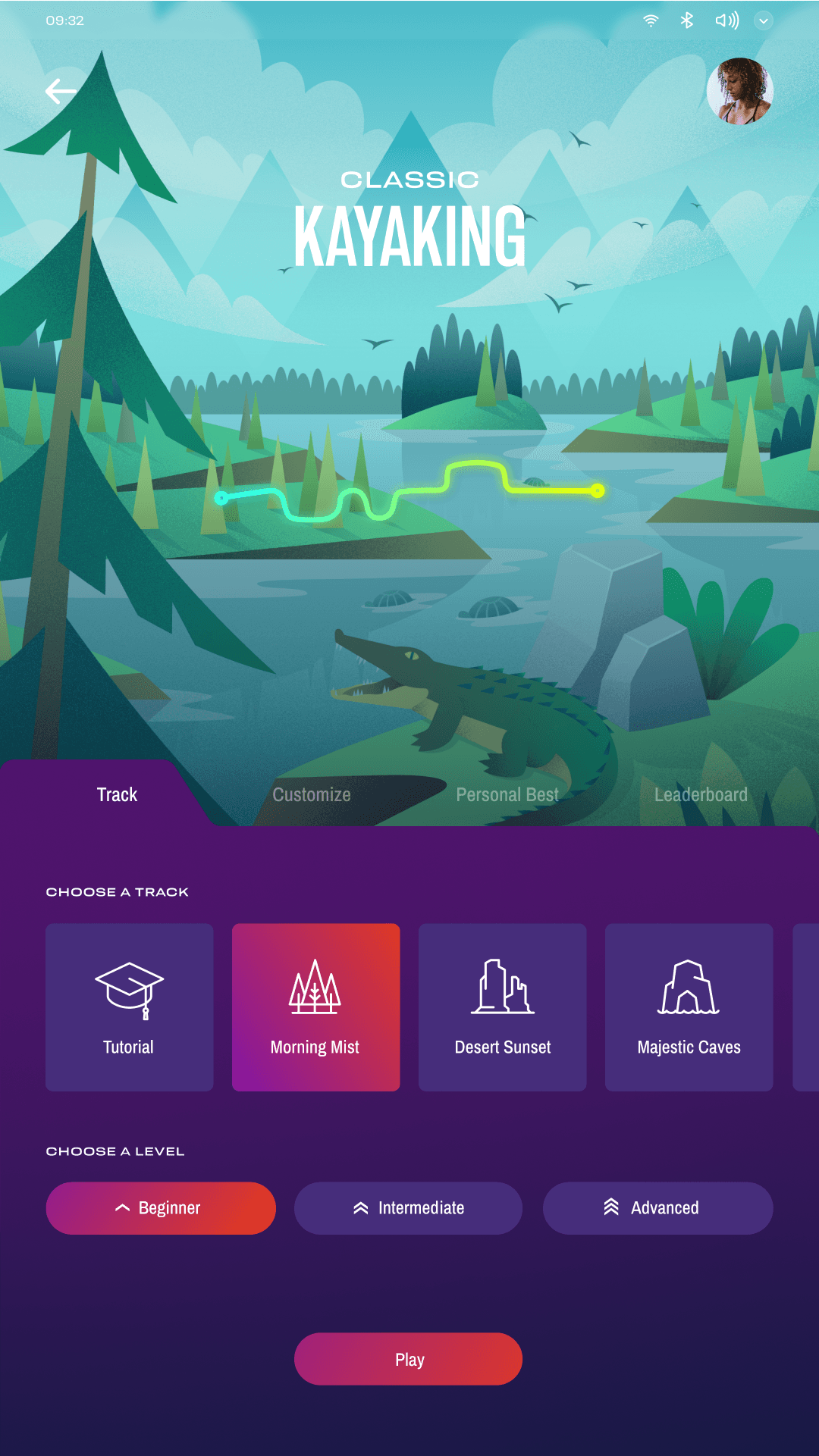
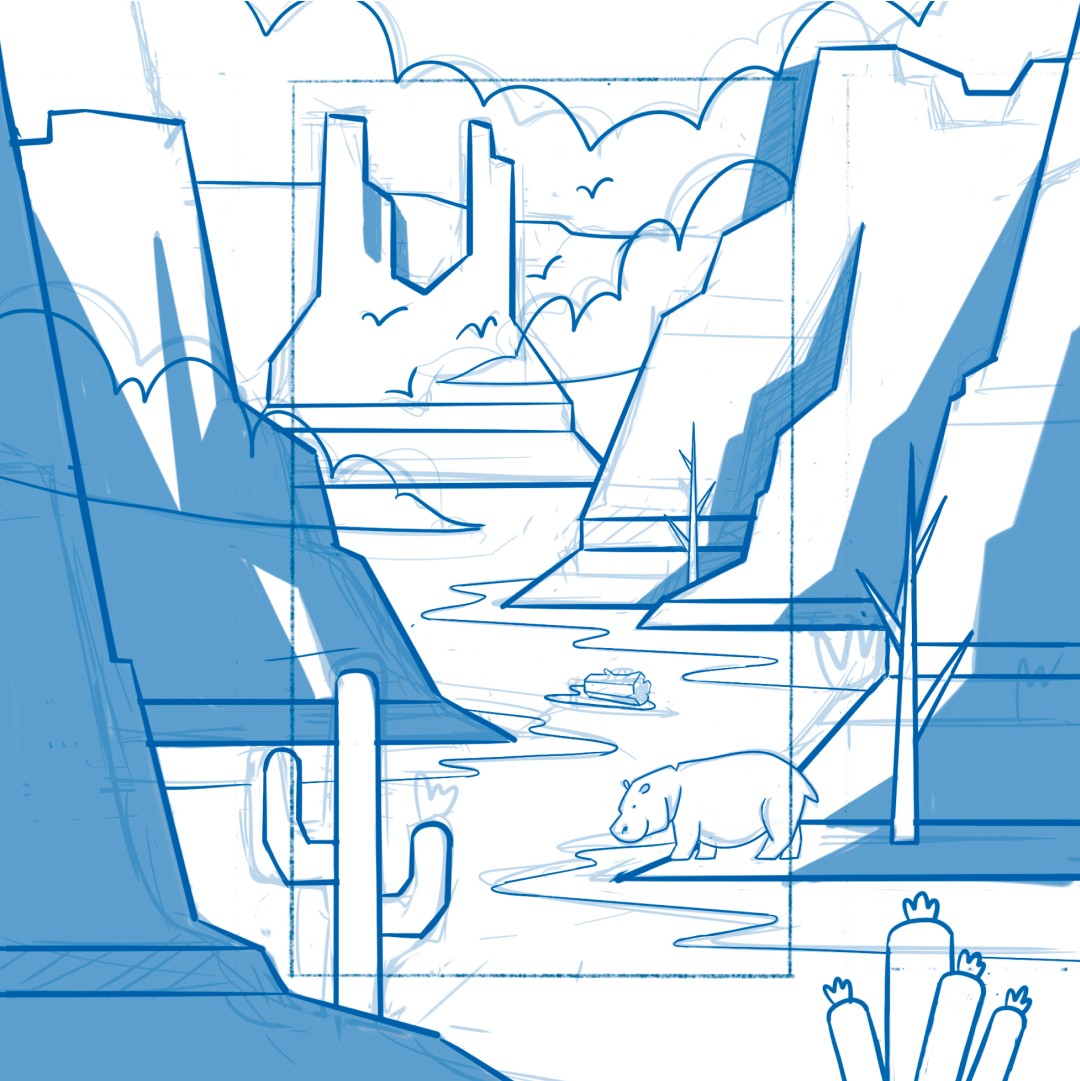
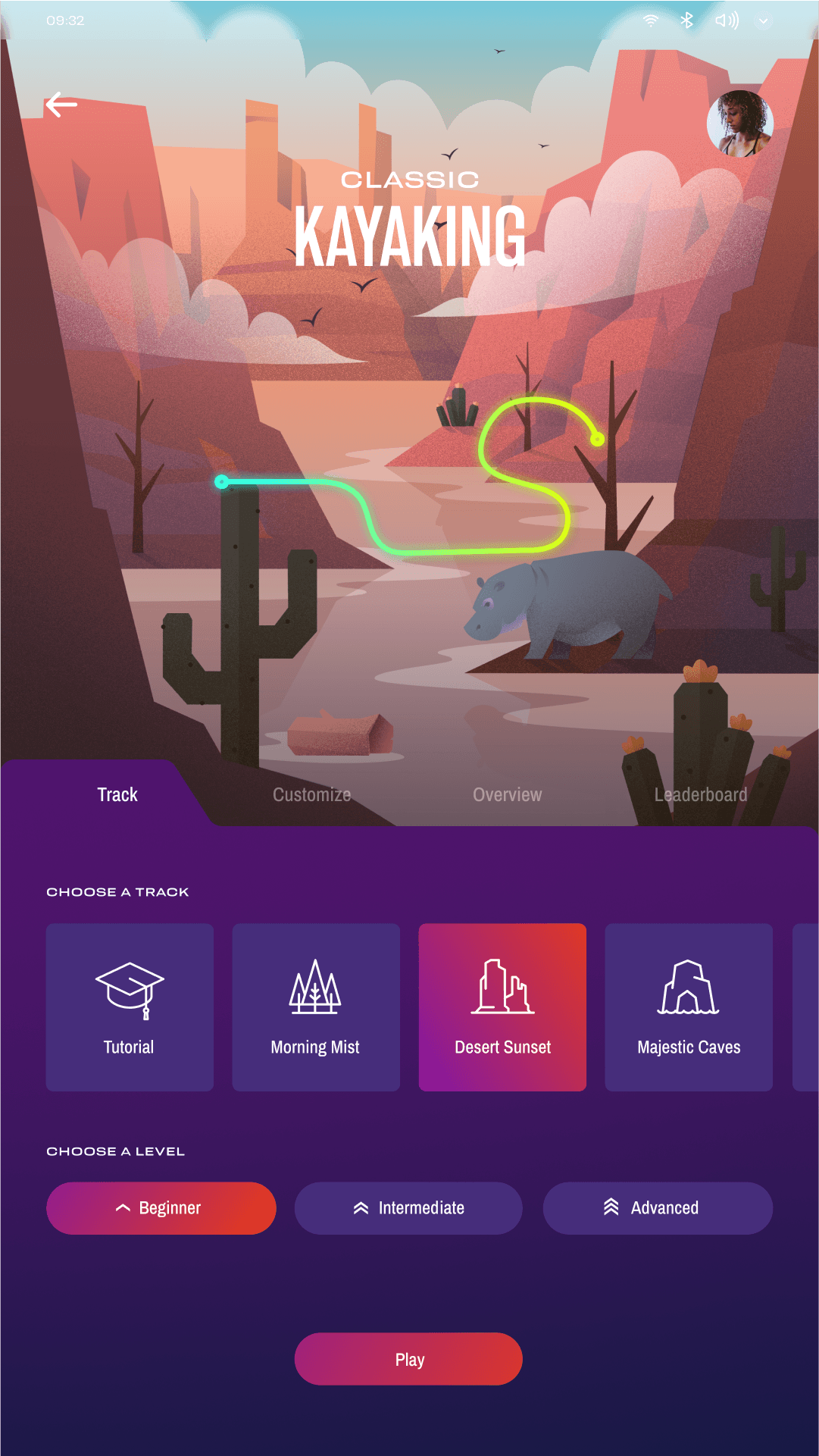
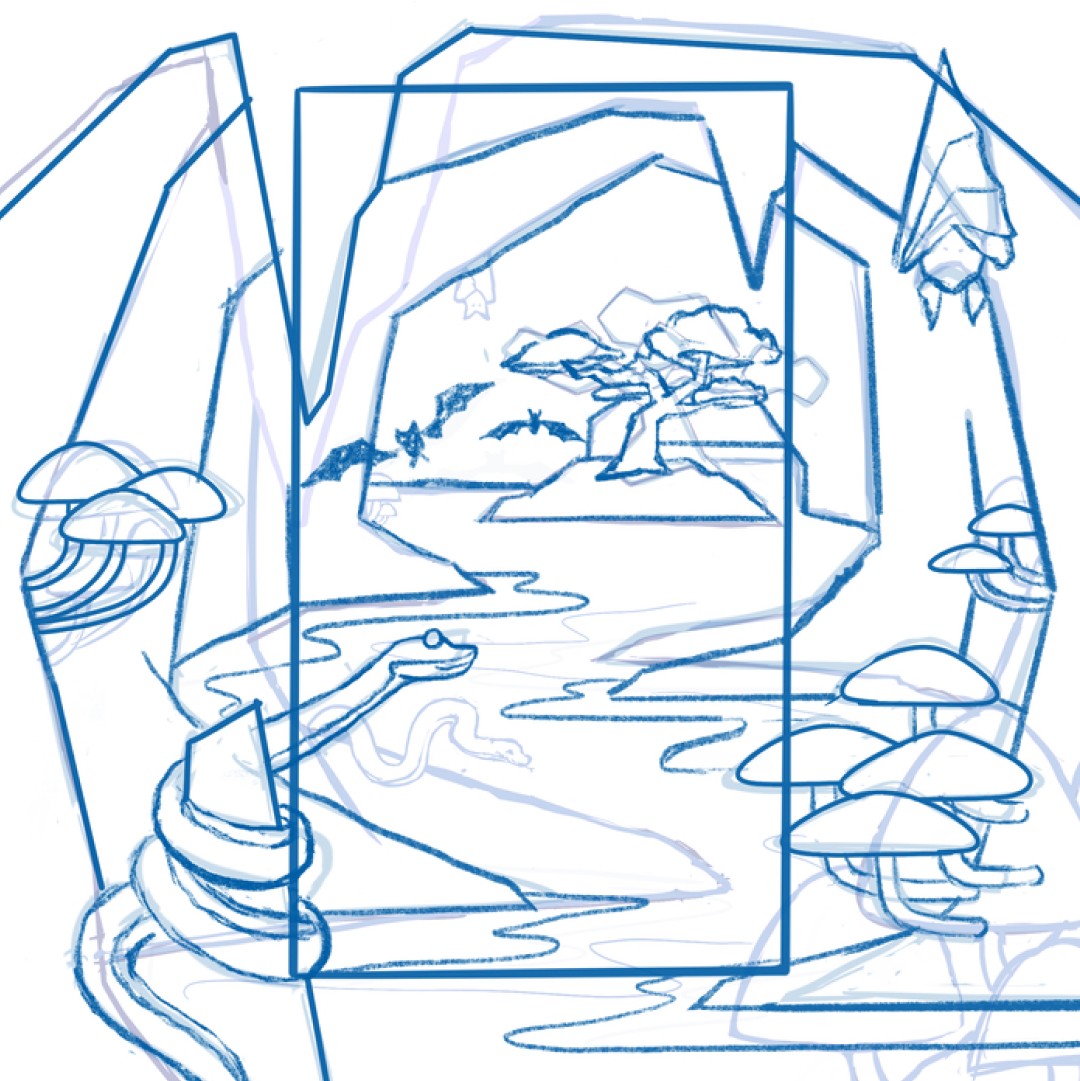
To prevent repetition and sustain engagement, Turbo Kayaking offers three distinct tracks with unique challenges and visual styles. I also created key art for each environment to align with the product’s clean, modern design.
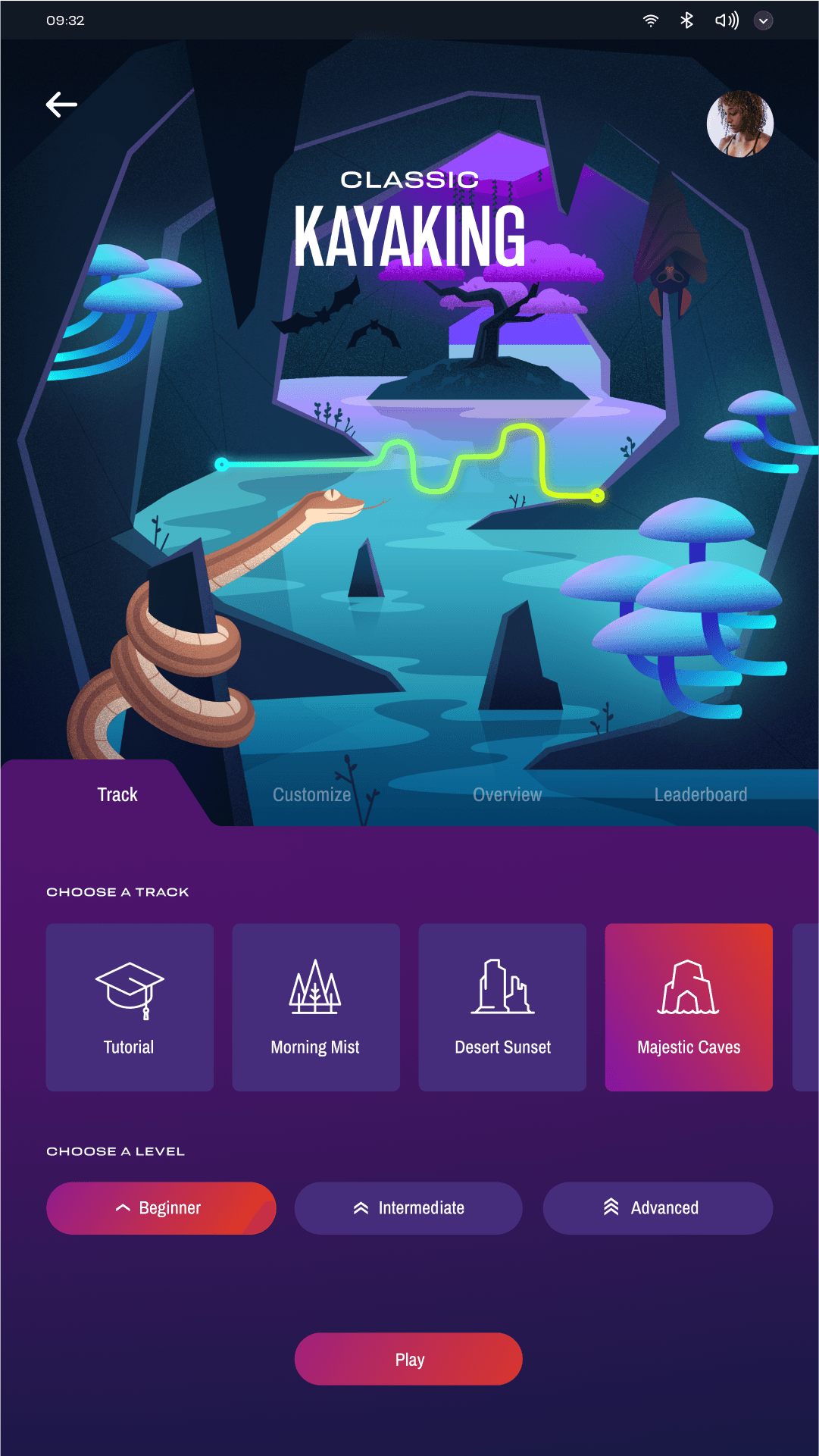
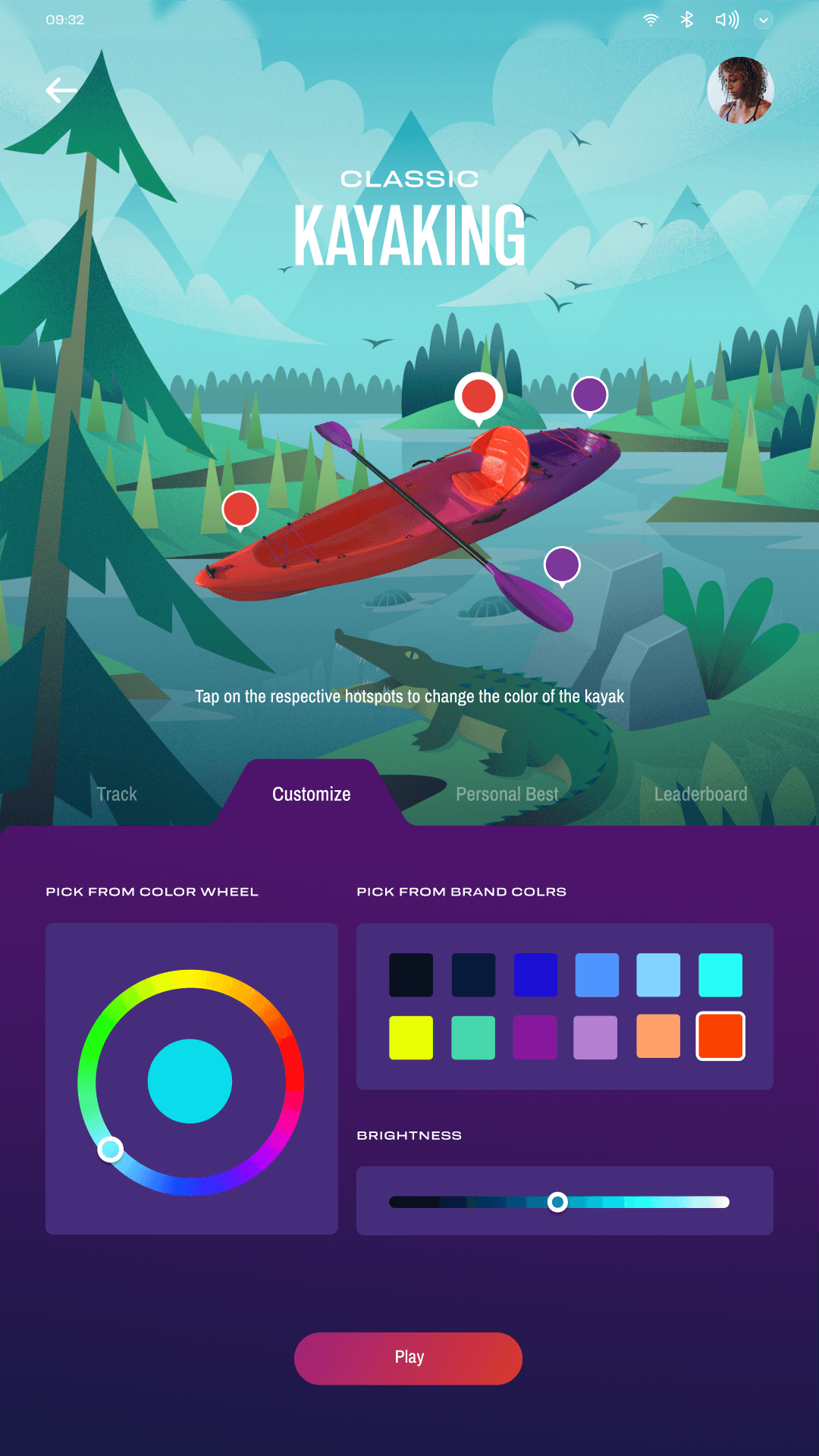
03. Customization and Pre-Game Setup
To increase ownership and help users prepare, the pre-game setup allows users to customize their kayak and review personal bests and leaderboard rankings before starting a session.
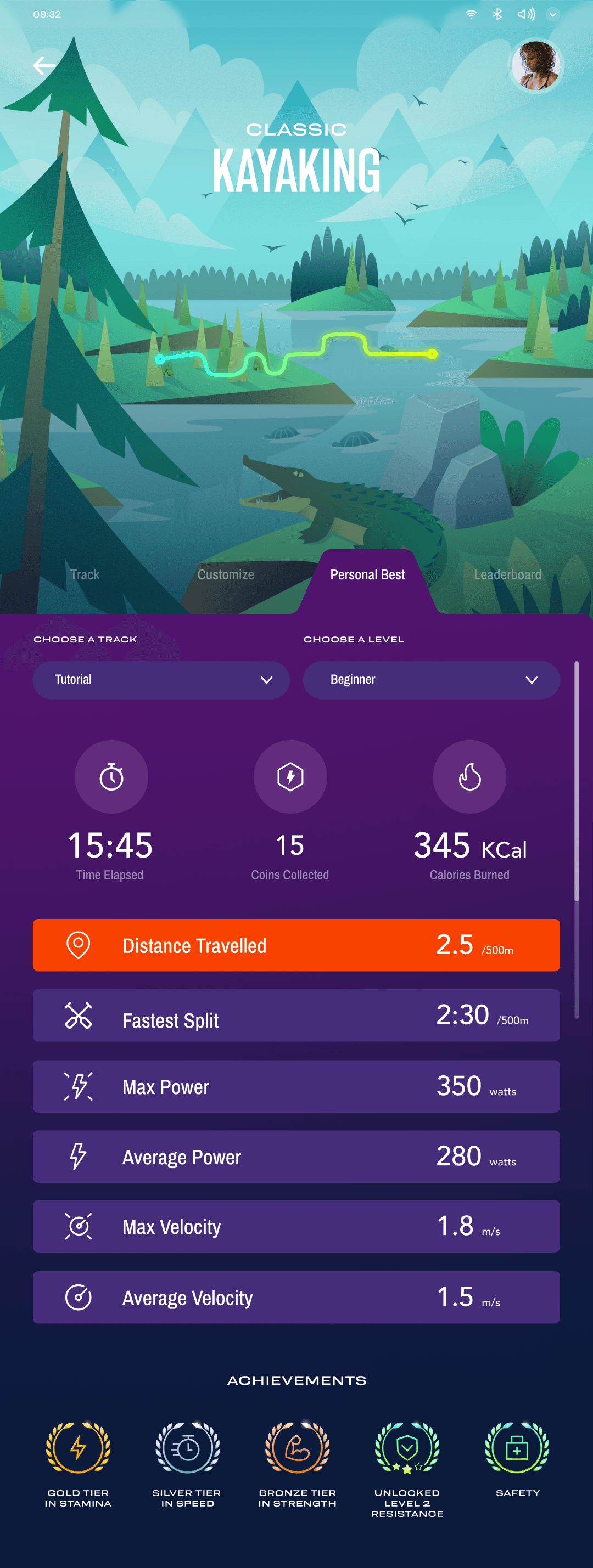
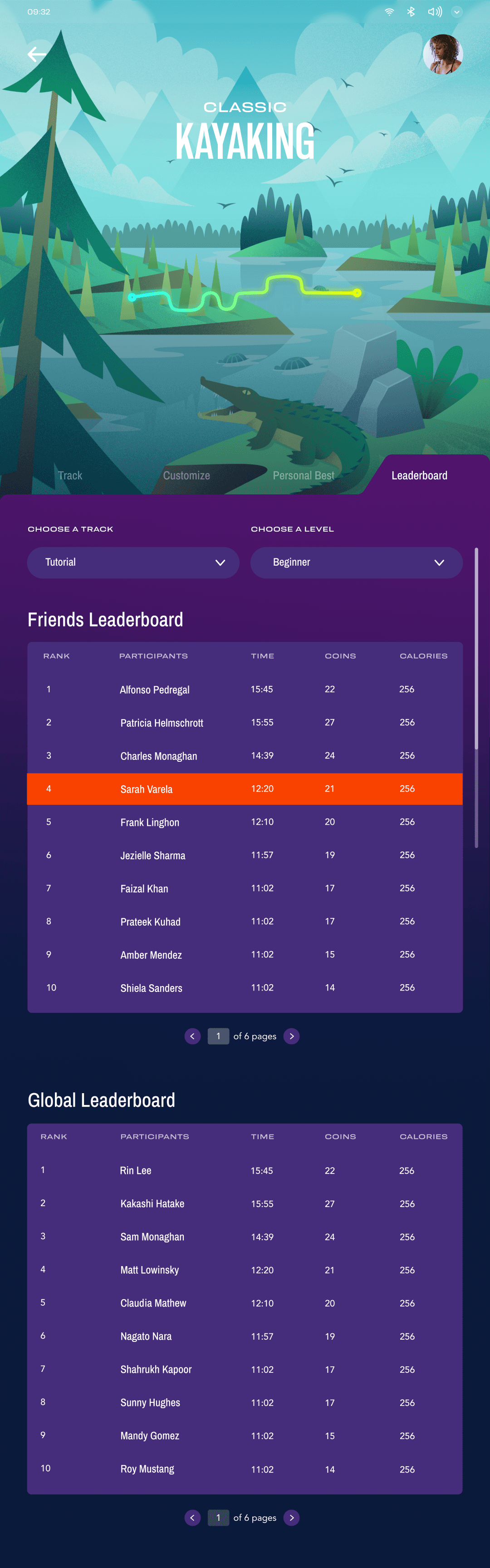
04. In-game UI
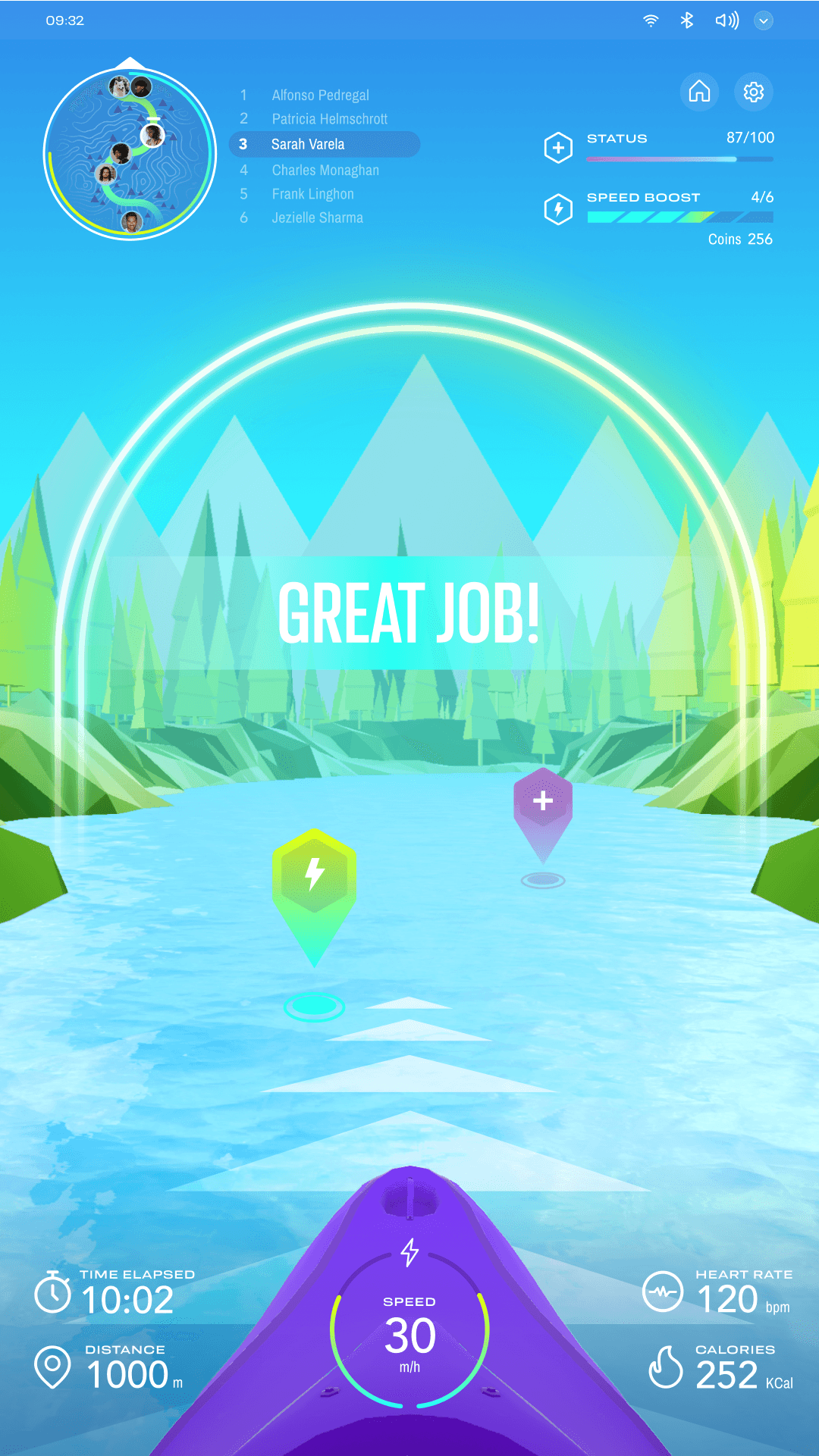
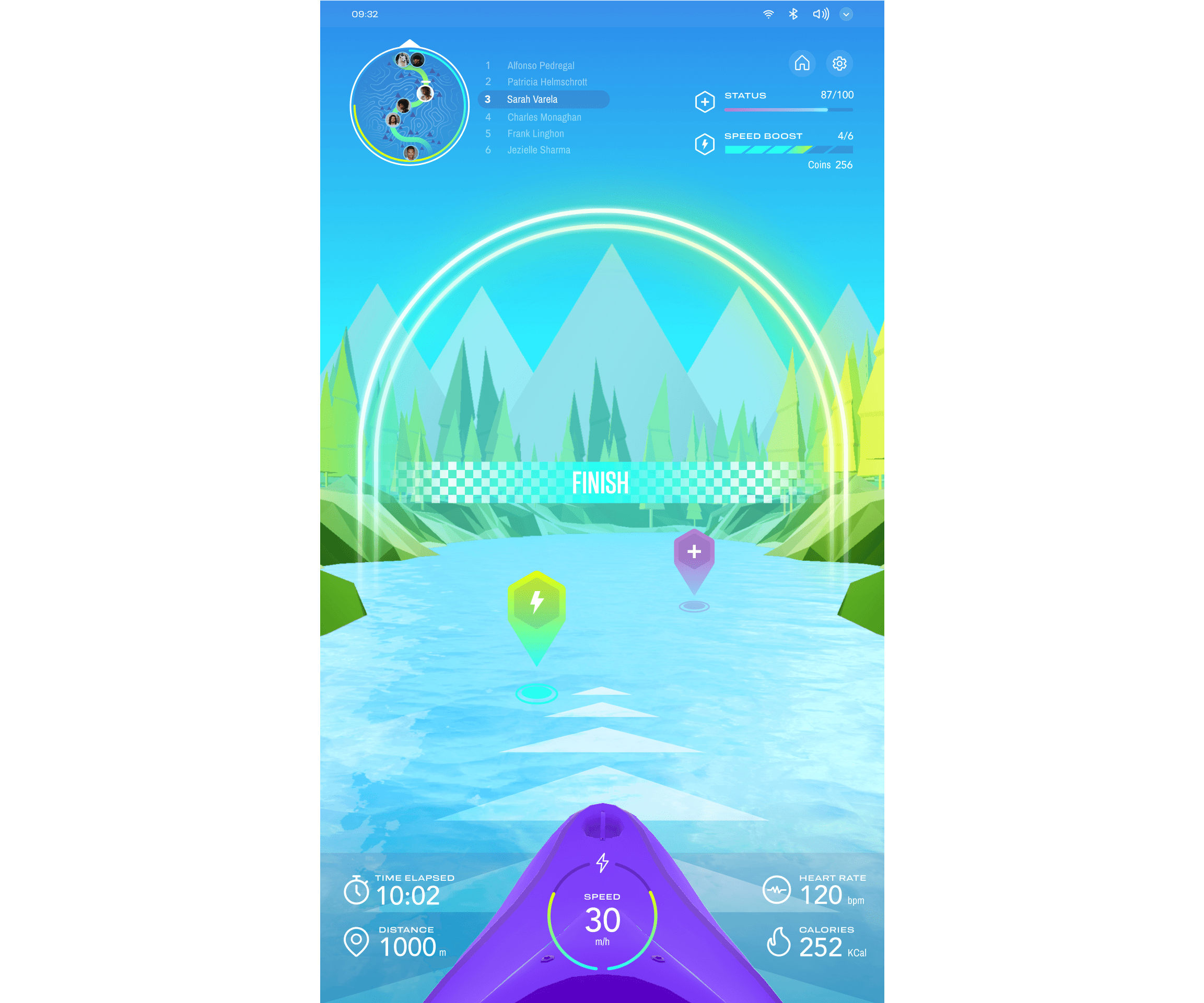
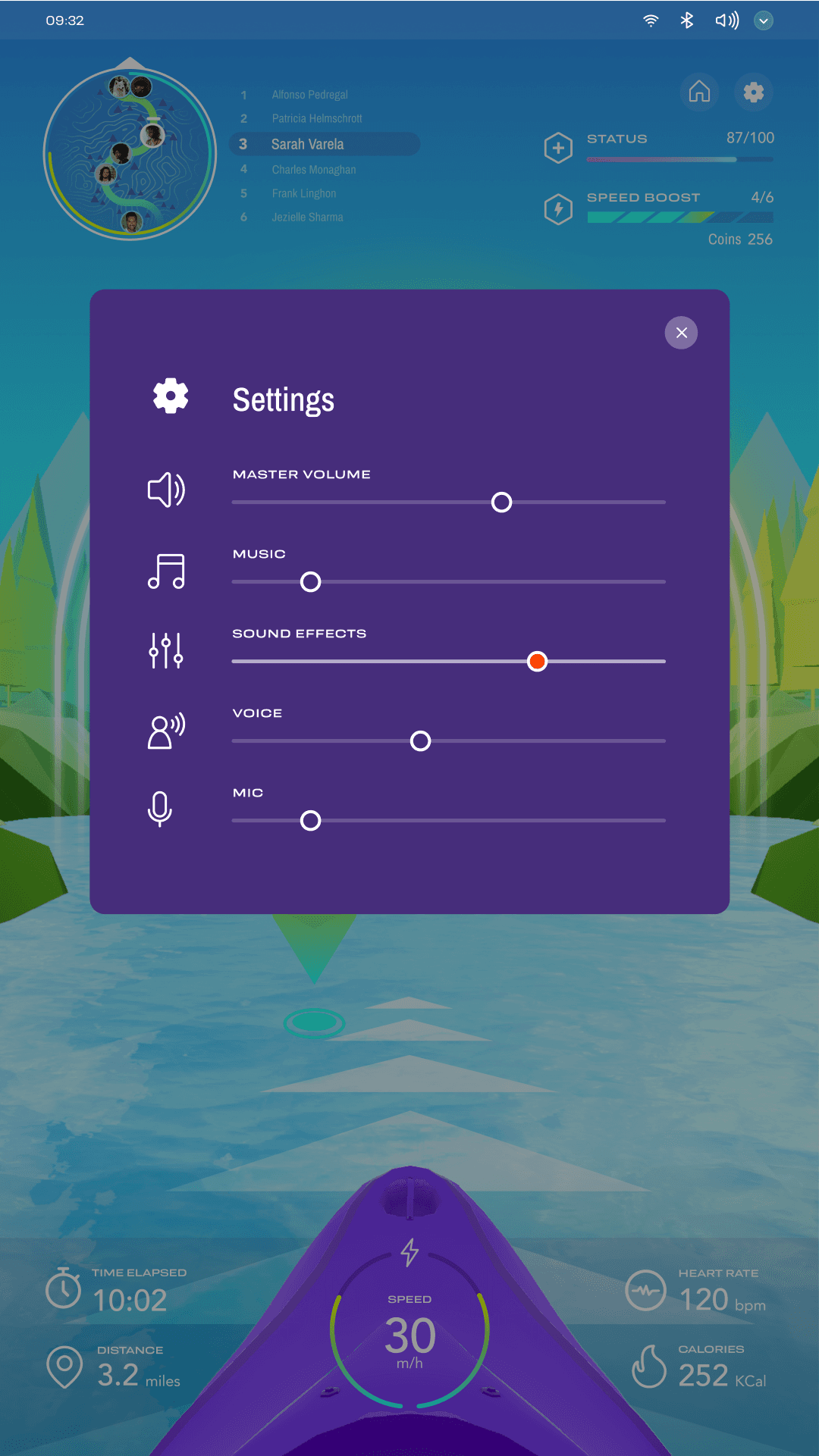
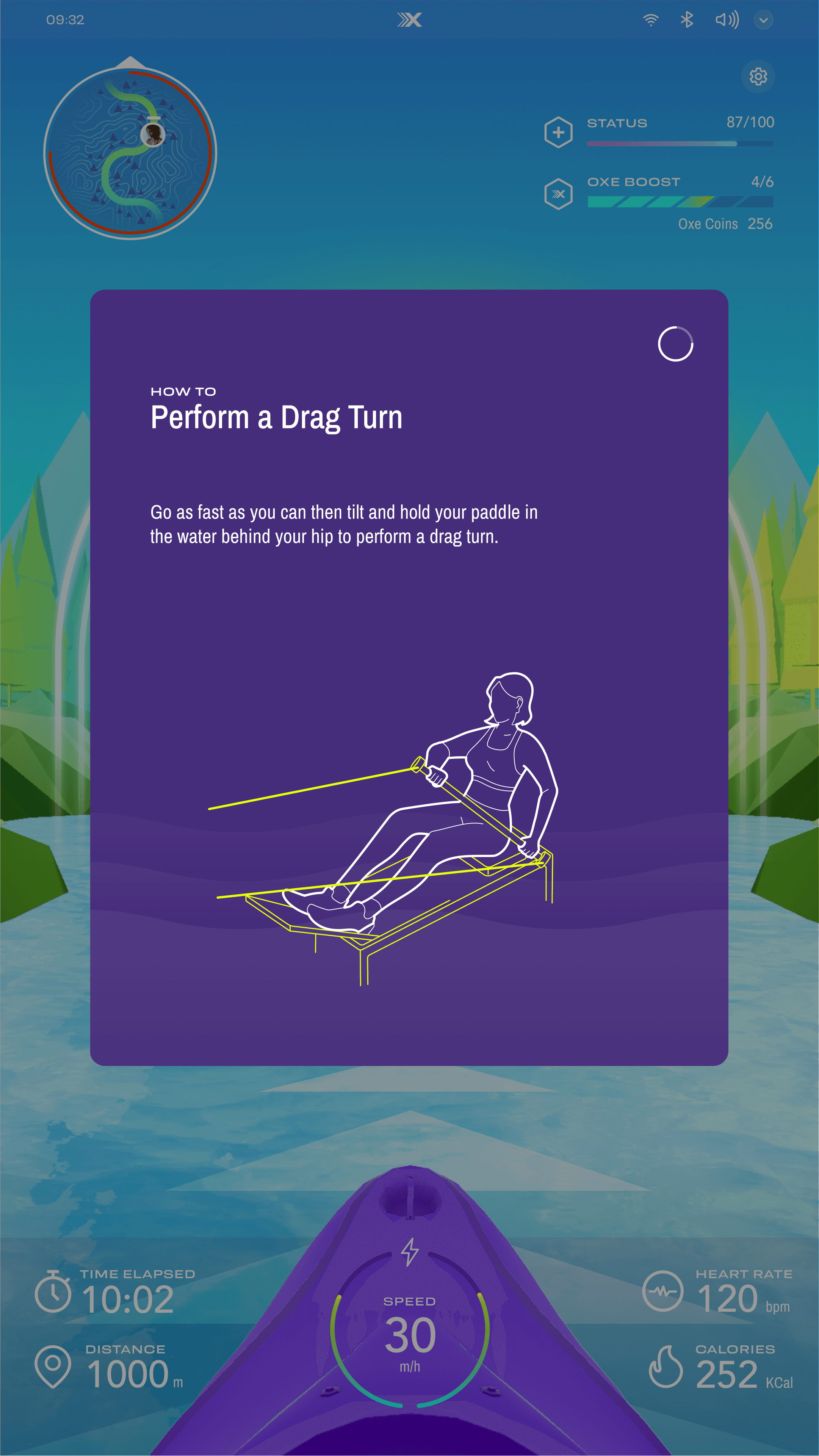
To provide clear, real-time feedback, the in-game interface displays key performance metrics such as heart rate, speed, distance, and calories, along with gameplay stats like boosts and coins.
05. End game summary
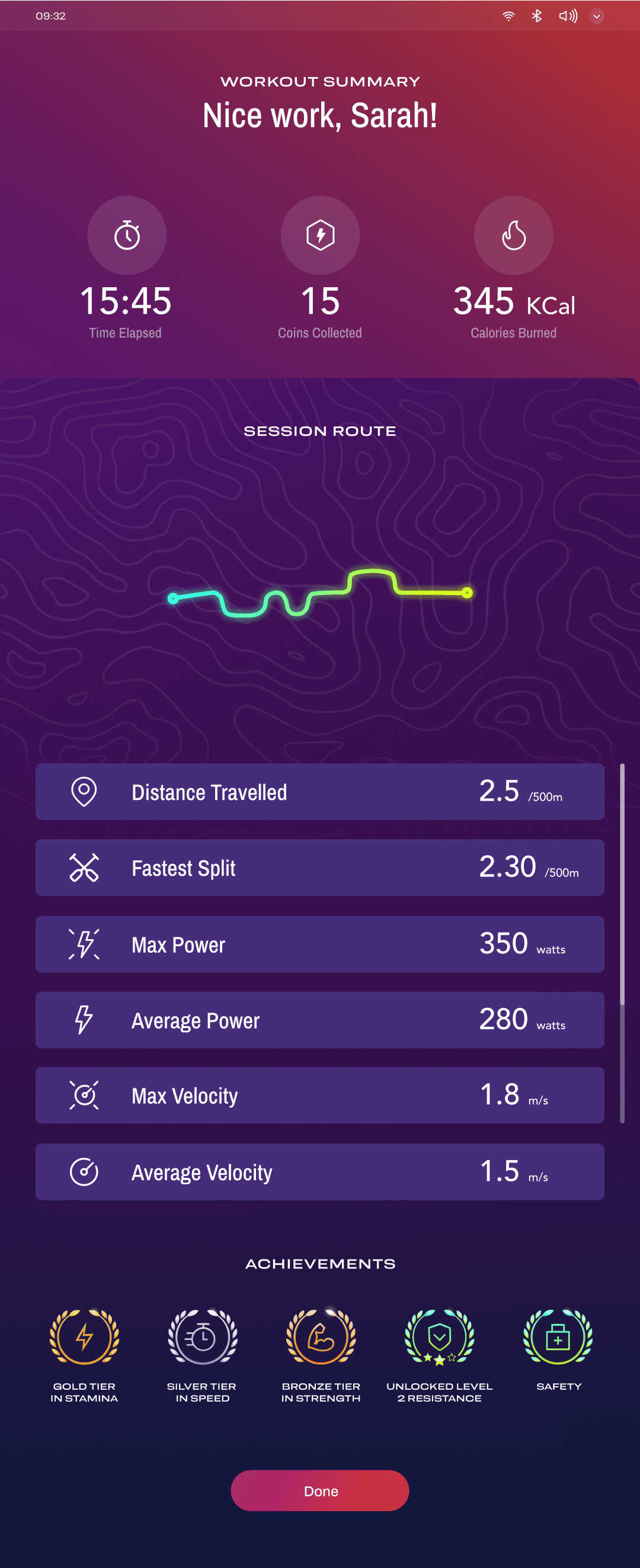
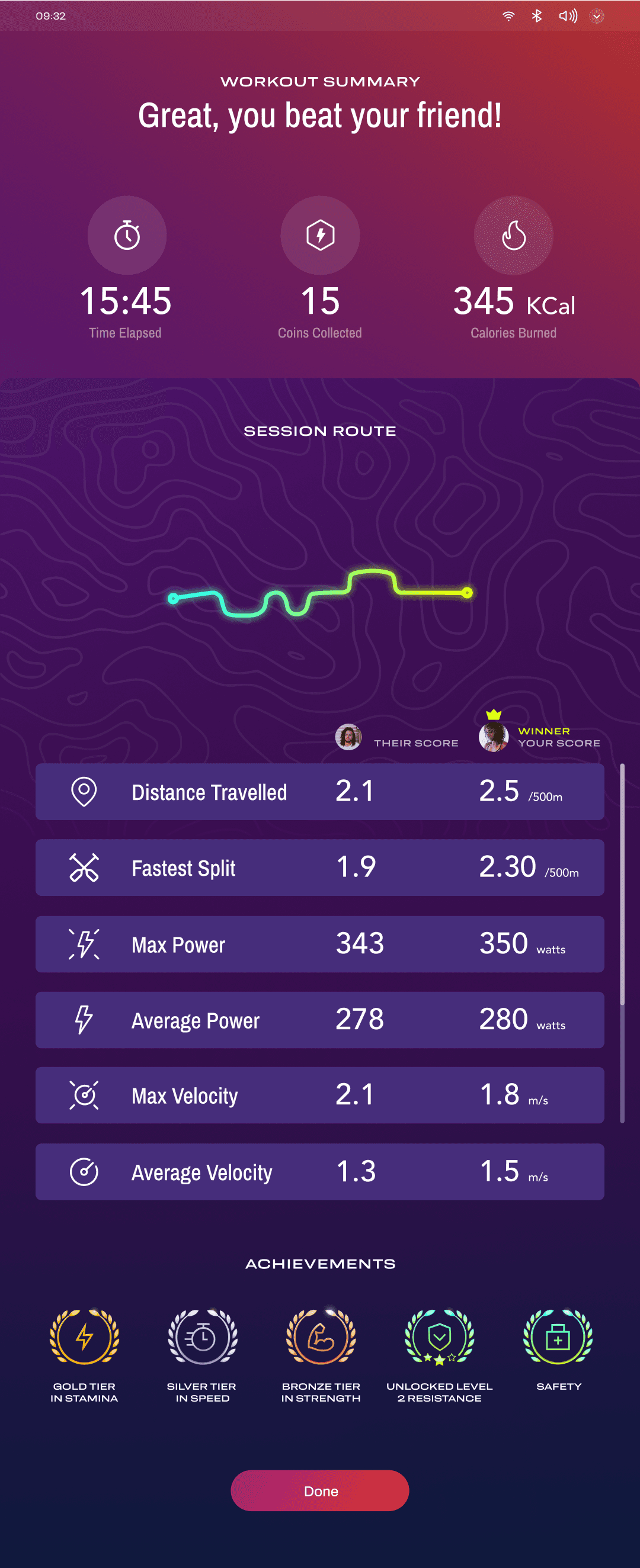
To reinforce progress and motivate return usage, the end-of-session summary highlights performance metrics, in-game stats, and achievements earned during the session.
06. User profile
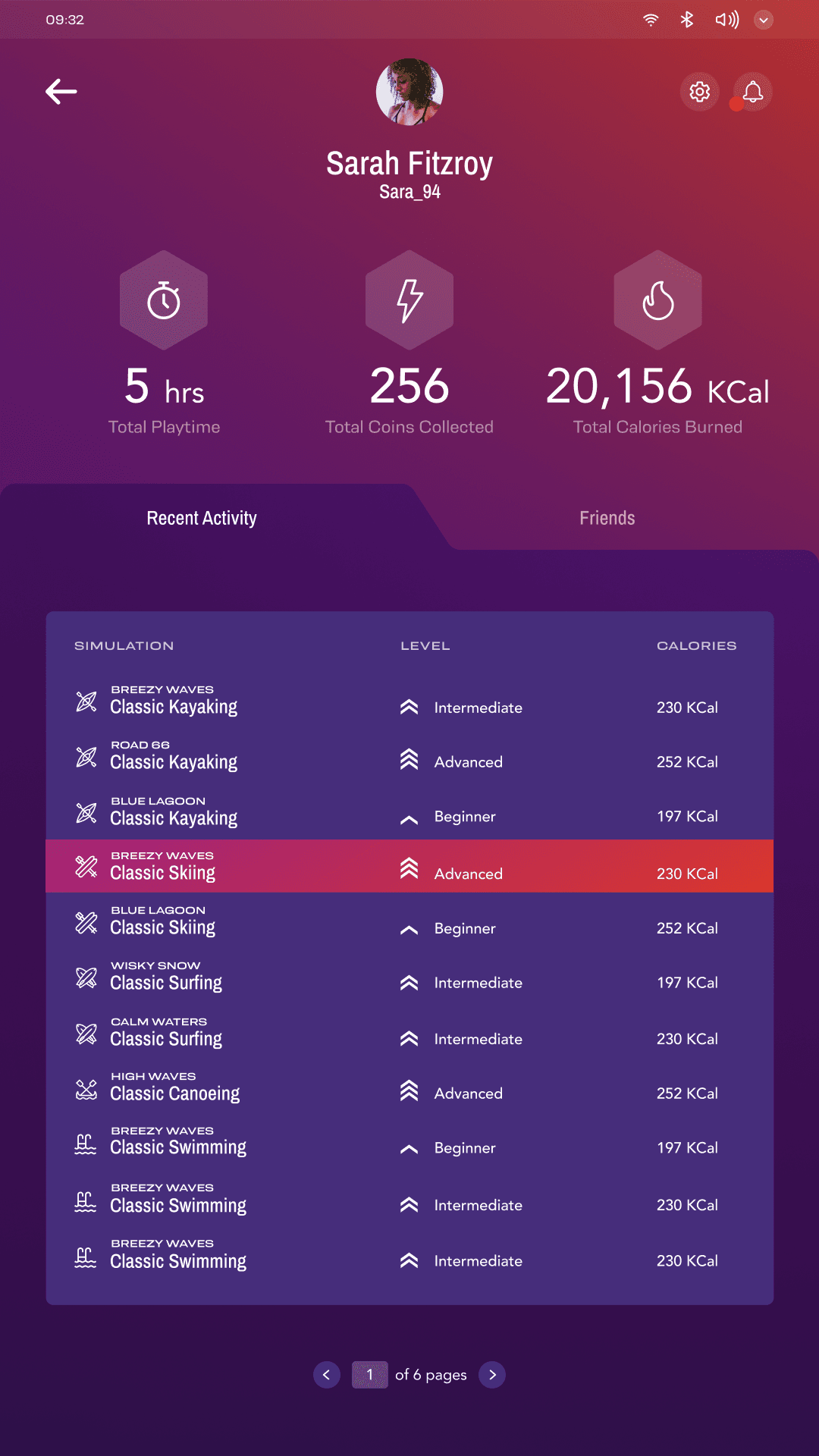
To support social connection and long-term engagement, the user profile allows players to track activity, manage friends, and discover new users.
Test & Iterate
Refining Through Feedback
Usability testing
To validate our design decisions, we conducted usability testing using a functional build on the OxeFit machine.
Testing Approach
We tested the experience with 2 participants:
1 casual user focused on engagement and ease of use
1 performance-driven user focused on stats and competition
This allowed us to observe how different motivation styles interacted with the experience.
Testing Objectives
We aimed to evaluate:
Whether users followed the intended setup flow before gameplay
How clearly users understood rowing mechanics and game rules
If performance feedback and stats were easy to interpret
How confident users felt during their first session
Whether users could complete a session without guidance
Finding #1
Users skipped key setup steps
Challenge
Users tapped “Play” too early, skipping customization and performance context
Design iteration
Replaced the “Play” button with a guided “Next” flow to lead users through each step.
Iteration impact
+42% increase in users completing customization before play
More intentional setup behavior and stronger engagement with stats
Finding #2
Lack of clear guidance caused confusion during gameplay
Users struggled with rowing mechanics and game rules, leading to frustration and poor performance.
Design iteration
Introduced a dedicated Tutorial Mode to teach form, timing, and rules without gameplay pressure.




Iteration impact
+37% improvement in proper stroke form during first sessions
Increased confidence and reduced early frustration
Impact
+35% increase in repeat sessions during internal testing
+42% increase in users engaging with pre-game setup features
Turned repetitive cardio into engaging, goal-driven gameplay, improving motivation and consistency
Made home workouts feel more social and connected through competition, progress sharing, and achievements
Established OxePlay as a gameplay-first fitness platform, differentiating OxeFit from traditional home gyms and enabling future interactive modules
Broader impact
By turning workouts into interactive experiences, OxePlay improves engagement and encourages users to come back more often.
This positions OxeFit as more than a fitness machine, but a platform for scalable, game-driven fitness experiences.
Learnings
Designing for interactive fitness requires thinking beyond screens. Testing on real hardware is essential. It is easy to focus too much on visuals, but prioritizing function and physical interaction ensures the experience feels right in motion.